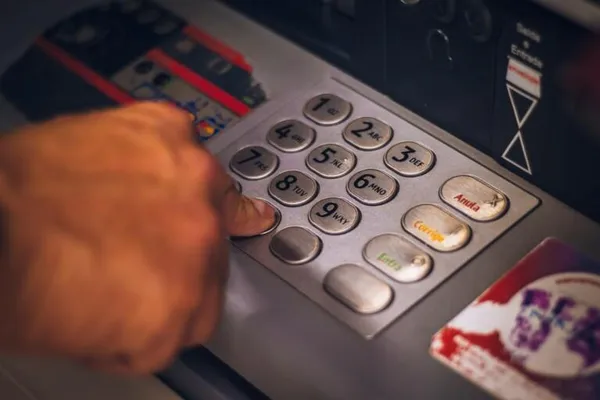
As an expat, opening a bank account in a foreign country can seem daunting, but it is a crucial step in managing your finances while living abroad. In Korea, one of the key requirements for opening
Last Verified
Last verified against Korvia arrival support guidance for Korean banking setup, residence-card timing, and first-month settlement tasks.
As an expat, opening a bank account in a foreign country can seem daunting, but it is a crucial step in managing your finances while living abroad. In Korea, one of the key requirements for opening a bank account is obtaining a Korean Tax Identification Number (TIN). For foreign residents in Korea, this is the Foreign Resident Registration Number shown on your Residence Card, not the Resident Registration Number used by Korean nationals.
To help expats navigate the process of opening a bank account in Korea, we’ve put together a guide that covers tax identification numbers around the world. This guide also provides tips on how to prepare for opening a bank account in Korea.
Firstly, it is important to understand the different tax identification number structures used in different countries, such as the Tax Identification Number (TIN) in South Africa, the IRD Number in New Zealand, and the Social Security Number (SSN) or Individual Taxpayer Identification Number (ITIN) in the United States.
| Country | Country Code | TIN Automatic | Taxpayer Number Name | Taxpayer Number Structure |
|---|---|---|---|---|
| South Africa | ZA | Yes | Tax Identification Number | 10 digits, starting with 0, 1, 2, 3 or 9 (e.g. 0123456789). Can be found on all taxpayer-related correspondence. |
| New Zealand | NZ | Yes | IRD Number | 8-9 digit numbers (e.g. 99999999/999999999). Printed on all tax returns and notices. |
| United Kingdom | GB | Yes | National Insurance Number (NINO) or Unique Taxpayer Reference (UTR) | NINO: 9 digits, consisting of 2 letters, 6 digits, and 1 letter (e.g. AA999999A). UTR: 10 digits, found on the first page of tax returns. |
| Ireland | IE | Yes | PPSN(Personal Public Service Number) | 8-9 digit numbers and letters (e.g. 1234567T/1497955KA). |
| United States | US | Yes | Social Security Number (SSN) or Individual Taxpayer Identification Number (ITIN) | SSN: 9 digits (xxx-xx-xxxx). EIN: 9 digits (xx-xxxxxxx). ITIN: 9 digits (9xx-xx-xxxx). |
| Canada | CA | Yes | Social Insurance Number (SIN) | 9 digits (e.g. 999 999 999). Found on the top right of individual income tax returns. |
| Australia | AU | Yes | Tax File Number (TFN) or Australian Business Number (ABN) | TFN (for individuals): 8-9 digits (e.g. XXX XXX XXX). ABN (for businesses): 11 digits (e.g. XX XXX XXX XXX). |
In Korea, you will need to obtain an Residence Card (RC, formerly ARC) in order to open a bank account. Once you have your RC, you can visit a local bank to open a bank account.
To prepare for opening a bank account in Korea, expats will need to gather their necessary documents, such as their RC, TIN, and passport or another form of identification. It’s also important to be aware of the different types of bank accounts available in Korea and to choose a bank that meets your needs and preferences.
Steps for Expats to Open a Bank Account in Korea:
Step 1: Obtain an Residence Card in Korea.
Step 2: Check your Taxpayer Number
Step 3: Visit a local bank in Korea to open a bank account.
Step 4: Prepare the necessary documents for opening a bank account, including your RC, Taxpayer Number, and passport or another form of identification.
Step 5: Choose a bank that meets your needs and preferences, such as its location, fees, and services.
Things to prepare:
-
Your Residence Card (RC).
-
Your Employment Verification Letter (재직증명서).
-
Your passport or another form of identification.
-
The necessary funds to open and maintain a bank account.
By following these steps and preparing the necessary documents, expats can easily open a bank account in Korea and start managing their finances there.
Additionally, expats should be aware of banking regulations and requirements in Korea, such as reporting foreign currency transactions over a certain amount.
Opening a bank account in a foreign country can be a complex process. However, by understanding tax identification numbers around the world and preparing the necessary documents, expats can successfully open a bank account in Korea and manage their finances with ease.
Featured image by Eduardo Soares
Quick Answers
Frequently asked questions
When can new teachers usually open a bank account in Korea?
Most new teachers open a bank account after arrival once their employer onboarding is underway and they have the identity, address, and immigration documents the bank expects for the account type.
Why does banking setup matter so early after landing in Korea?
A Korean bank account is commonly needed for salary deposits, utility payments, remittance setup, and day-to-day settlement during your first weeks in Korea.
What should applicants confirm before going to the bank?
Applicants should confirm which branch their school recommends, what identification and address details they need, and whether their Residence Card or other arrival-stage paperwork has already been issued.